Brain Computer Interface
Welcome to the
Future
In process of building a unique experience by mixing and matching computer interfaces with brain waves.

Context of Brain Computer Interface & Problem
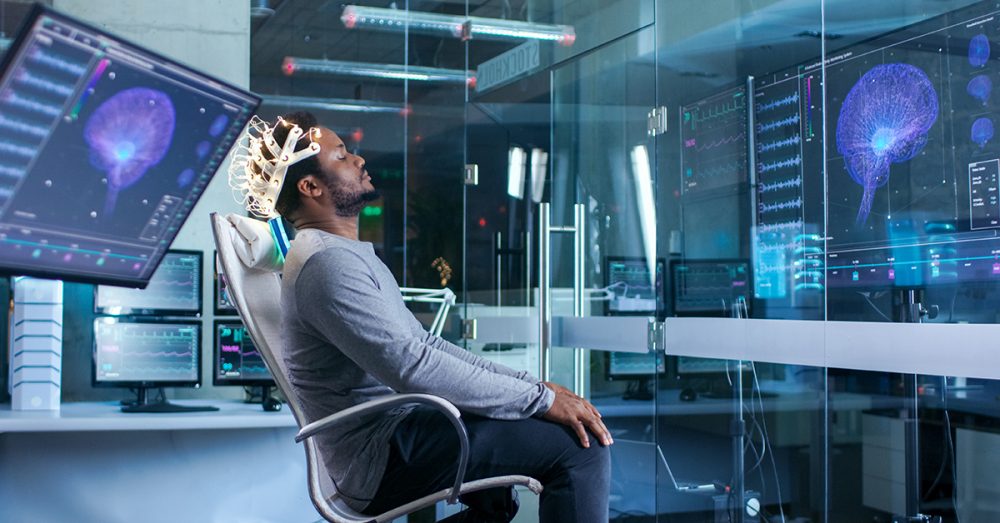
As a product designer and UX researcher, I recently had the opportunity to research and design for patients with severe motor disabilities who face challenges in communicating and performing daily tasks independently. Traditional assistive devices have limitations in providing efficient and natural interaction methods.
How might we design a Brain-Computer Interface (BCI) system that enables users to control external devices, such as bionic arms, using their brain waves effectively and intuitively?
IMPACT & STATS
Brain-Computer Interface to perform action that you think,with EEG integration
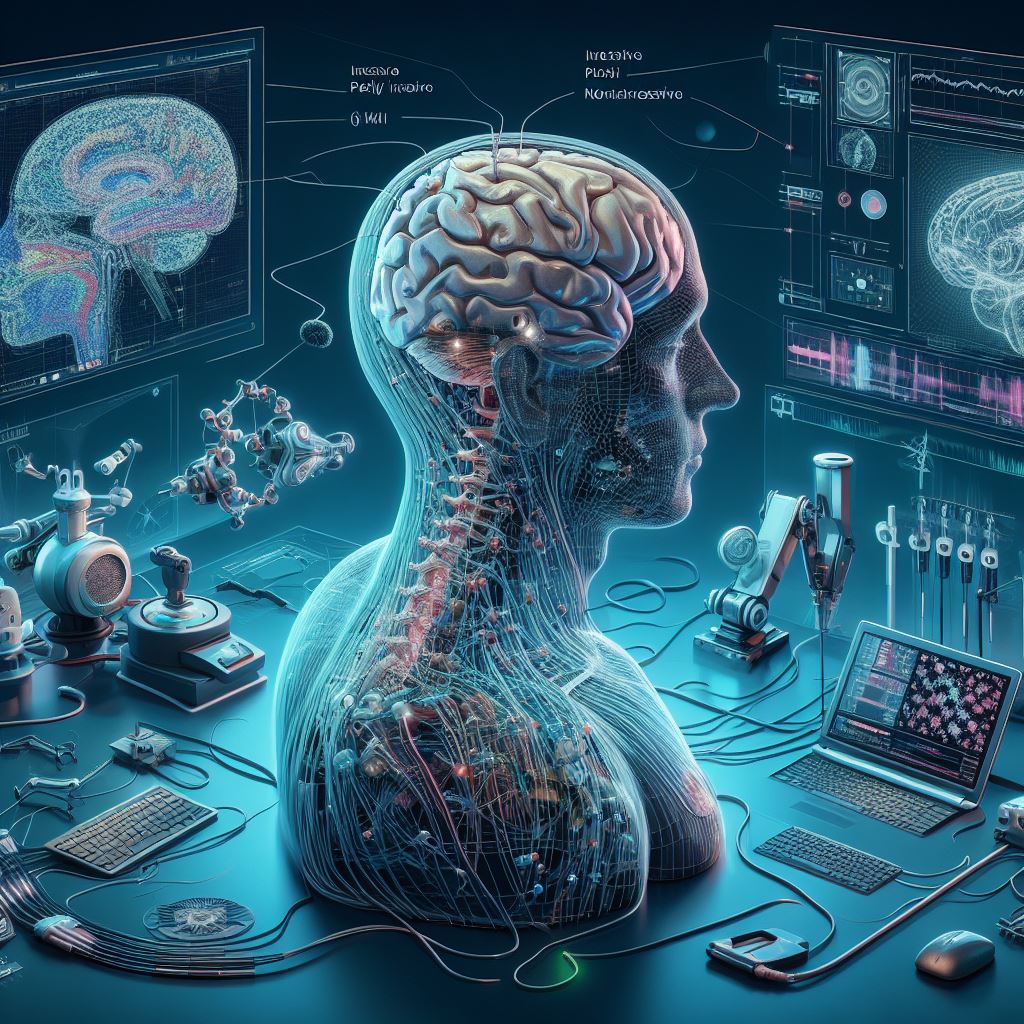
The device aims to integrate a brain-computer interface, with the help of EEG electrodes, that can pick up signals from a whole lot of neurons.
This brain-computer interface can allow people with paraplegia to regain movement
Eg: A brain-controlled bionic Arm.
Research shows BCI-based therapy can improve motor function recovery by up to 30%.
Source
Product Design
Brain-Computer Interface
Research Case Study
March 2022
Why BCI?
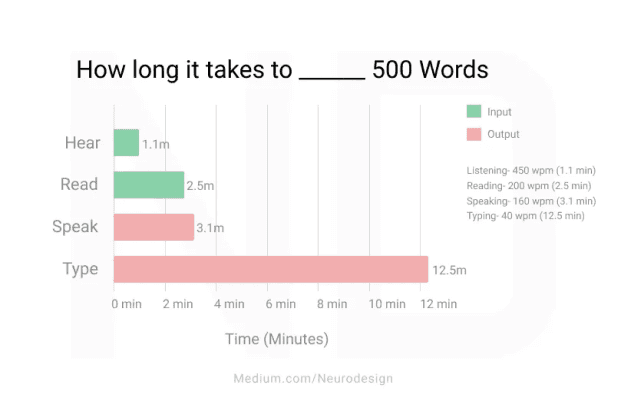
As you can see, we listen 10x faster then we write. This holds true not just for language but any form of information- images, video, and audio.
This gets at the very problem BCI’s are aiming to solve: increasing our cognitive bandwidth, as our Input ability exponentially exceeds our Output ability.
Design Process
As we initiated the project we made a point of including Human Factors in our design structure and research as well.
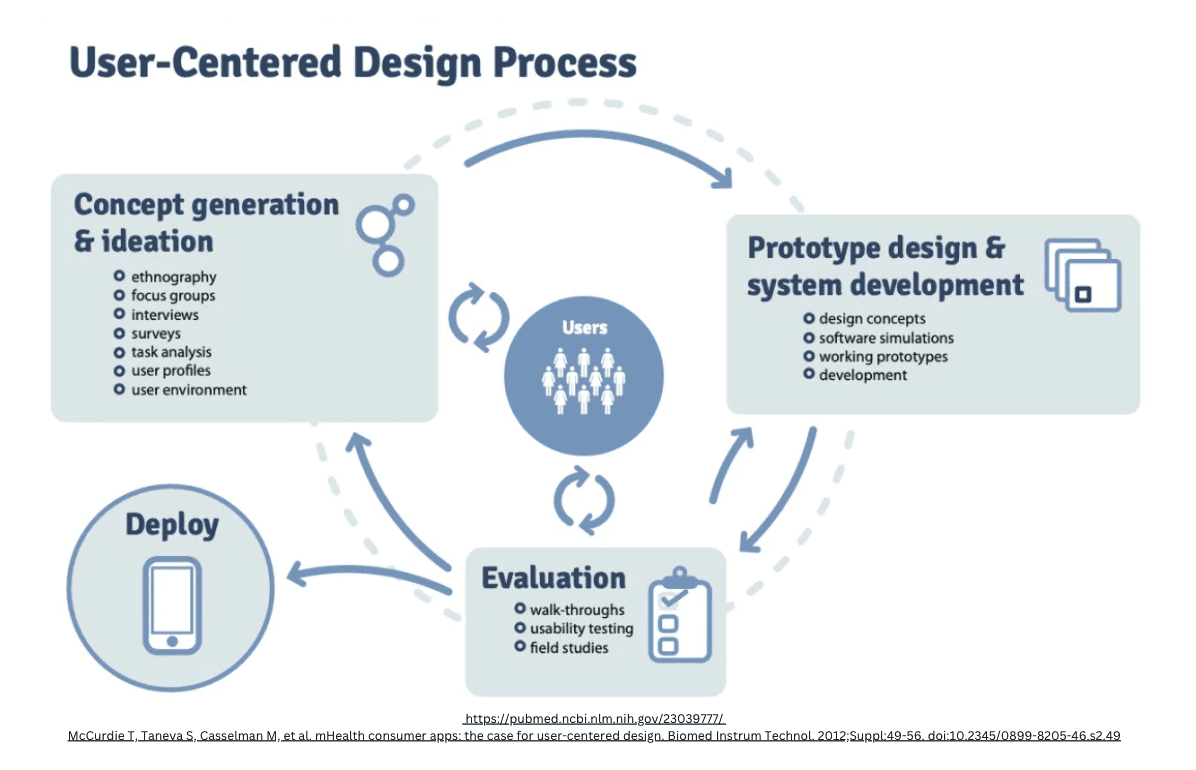
Thus, based on a combination of research findings, industry best practices, and Human factors design principles we implemented each micro-task by following a user-centered design Process.
Each Micro-task was crafted to address specific objectives while catering to the diverse needs of the target audience.
Source: https://pubmed.ncbi.nlm.nih.gov/23039777/
McCurdie T, Taneva S, Casselman M, et al. mHealth consumer apps: the case for user-centered design. Biomed Instrum Technol. 2012;Suppl:49-56. doi:10.2345/0899-8205-46.s2.49
Brief Research Study
How Brain-Computer Interface
works
For a fundamental grasp of brain-computer interfaces, comprehending the human brain's structure is paramount. The human brain consists of these components-Cerebellum (responsible for balance, coordination, feelings, most sensory part), Cerebrum (the larger brain), Brainstem (controls heart rate, respiratory process, sleep, facial sensations).
Signal from
Neurons
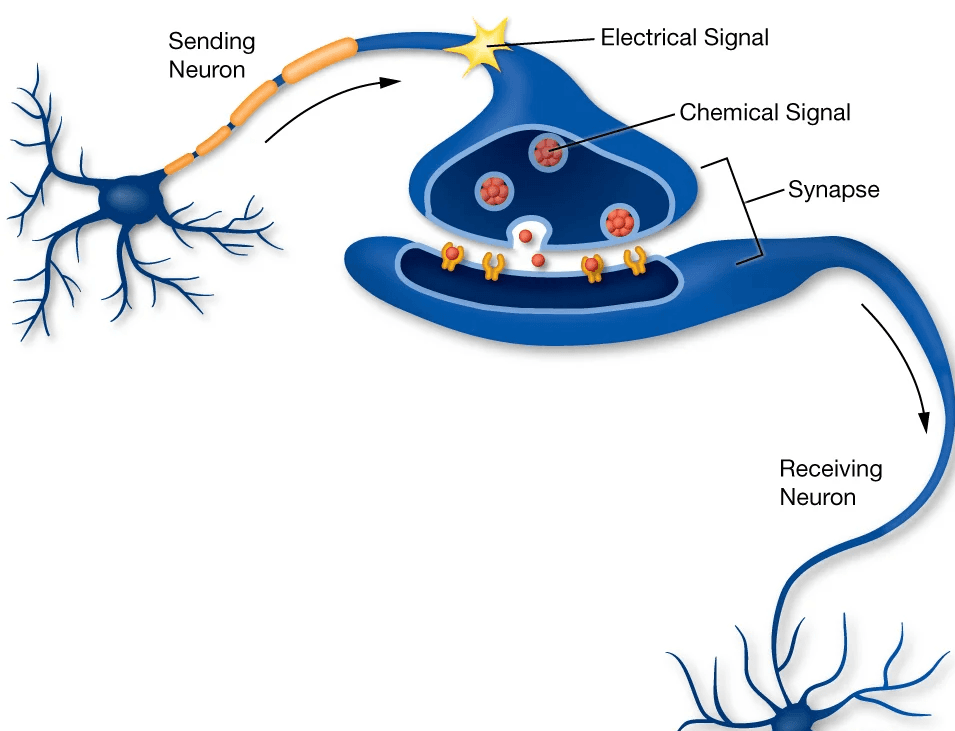
Brain is made up of networks of small cells called neurons that communicate electrochemically to enable you to think, feel, and interact. The electrical charge changes when different activities take place. The +ve -ve creates a dipole and is detected outside the brain. These signals are further used in EEG.
5 types
Brain Waves
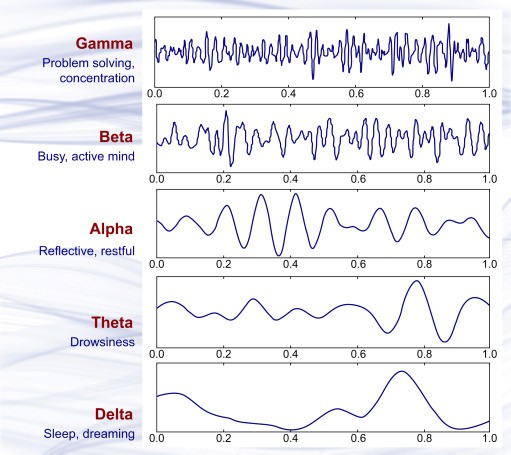
We subdivide these into distinctive brain waves, each representing a unique mental state: Gamma (γ)- Focus, Beta (β)- Dominant anxiety, active and relaxed, Alpha (α)- Highly relaxed, passive mindfulness, Theta (θ)- Profoundly relaxed, inwardly attentive, Delta (δ)- Sleep
Electroencephalography
(EEG)
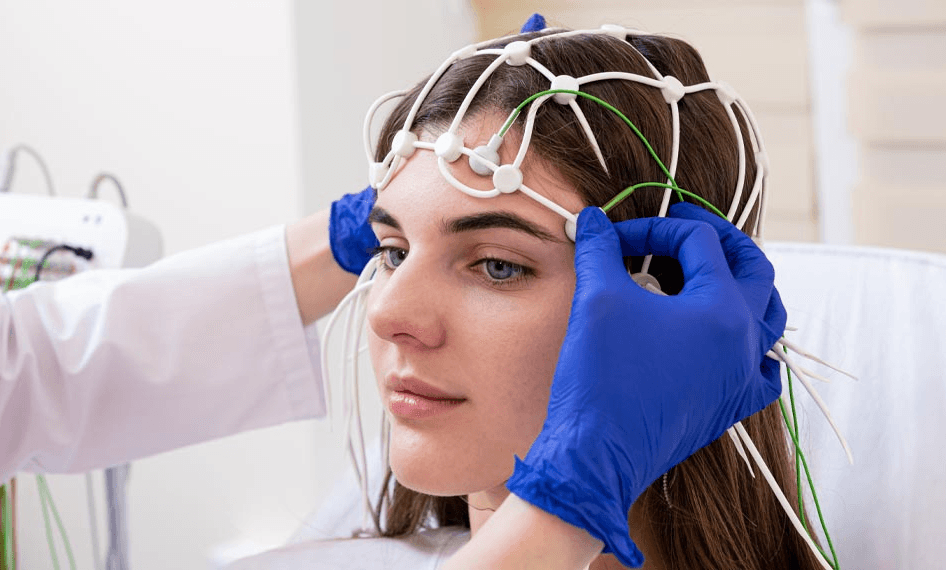
It is a technique that measures the electrical activity of the brain.
During the procedure, electrodes
made of small metal discs with thin wires are attached to the scalp.
The electrodes detect tiny electrical charges that result from the activity of brain cells.
EEG
Electrodes over scalp
BCI
Flow-Diagram
Transmission & Working
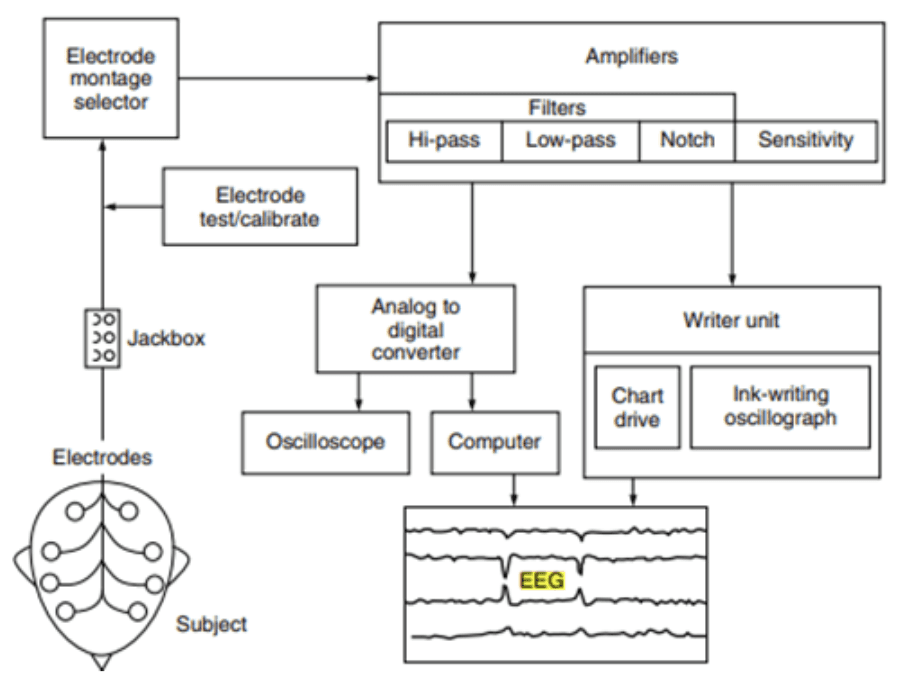
These signals are further transmitted by converting them to a computer readable interface- This is how BCI works!
Focused Personas
Above Personas were kept in mind to build a user-centric solution that perfectly meets the needs and expectations of not only our clinicians but also for people.
Early Testing
FMEA
Failure Mode Effective Analysis
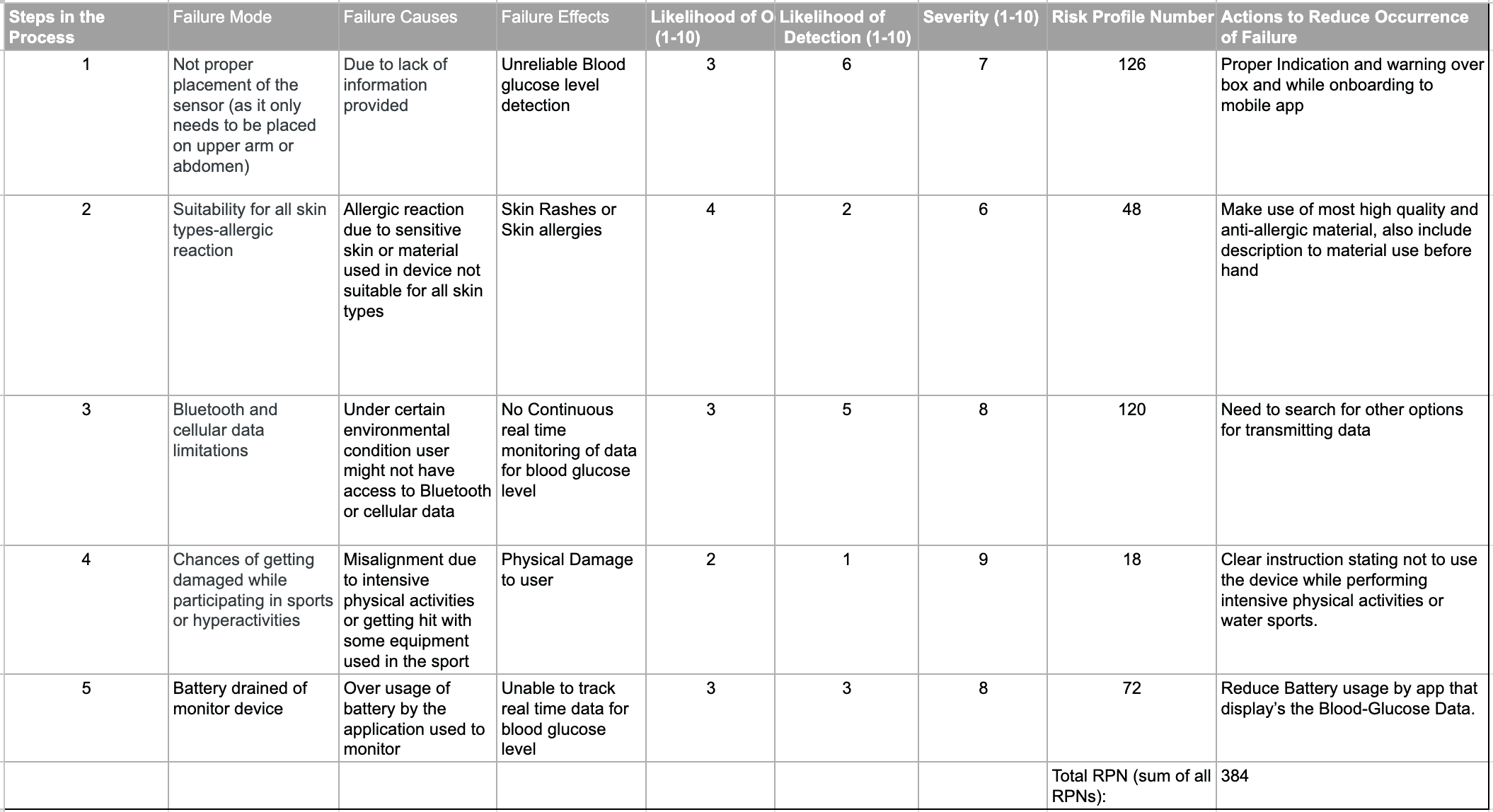
What is FMEA: It's a process for identifying potential issues in a product.
To gain brief insights on early product problems, we implemented failure mode effective analysis backed by human factors done for electroencephalography technique, keeping user interview pain points and various research insights in mind: user needs and expectations.
BCI Literacy
Designing for comprehension and “BCI literacy as 30% of survey participants had no idea about BCI
FMEA
Extensive user research (FMEA, RCA, etc) to understand user needs, goals, and frustrations
Iterations
Iterative design process with continuous user testing and feedback
Collaboration between UX/HF designers, engineers, and clinicians
Signal Acquisition
A more effective way to track BCI
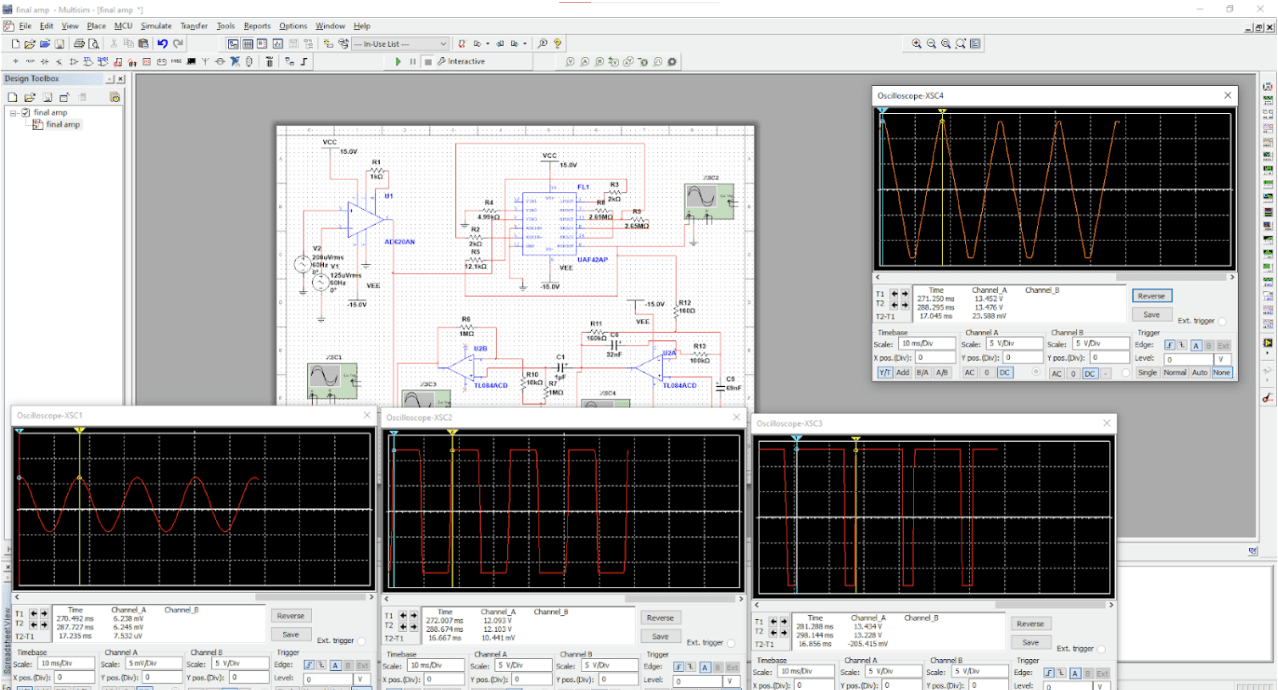
Once we answered the burning questions, we commenced design right away, this is how the final circuit output looked like.

Collecting Signals
The signal acquisition part starts with the signal picking from electrodes. That picks the signal from the brain from over the scalp.
IA takes the difference
After electrodes, the signal goes to the instrumentation amplifier that takes the difference and rejects the common mode and makes the signal readable by the circuit.
Notch Filter Design
After instrumentation AD620 the signal goes to the 60 Hz notch filter for removing line noise coming at 60 Hz.
Final Gain transmission
After a 31 Hz low pass, there comes the final amplification part in this part we amplify the signal and set the final Gain.
Future Scope
BCI are ready to take over the world

Ethical Considerations
Advancements in BCI Technology


BCI for Gaming
Integration of AI

Want to work together?
Feel free to reach out at